
Guides
Mascot vs logo: what each one does, and when you need both
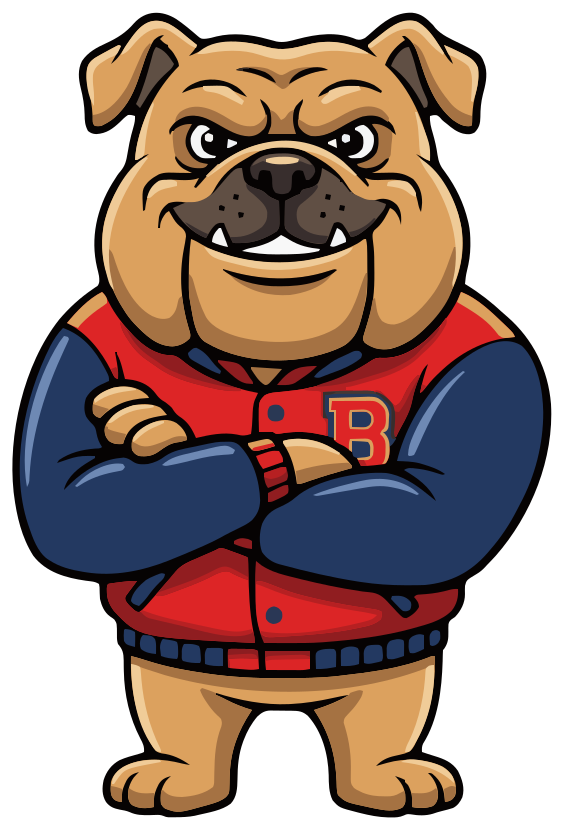
A logo tells people who you are; a mascot gives them someone to remember. This guide shows one made-up brand, Bruno's Barbershop, three ways: as a wordmark, as a mascot logo and as the mascot on its own. Then it helps you decide what your brand needs.
- One brand, three ways
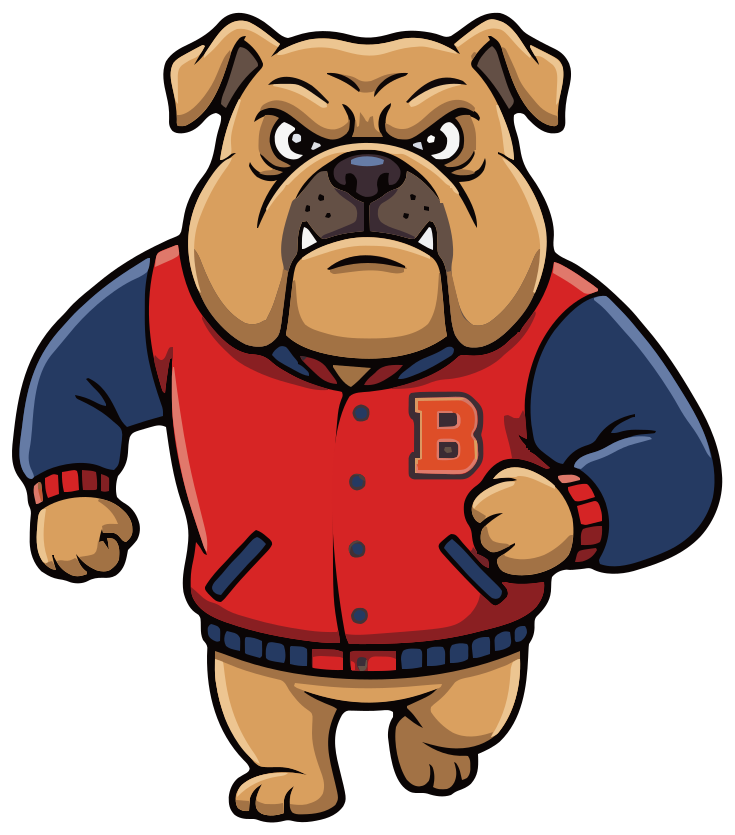
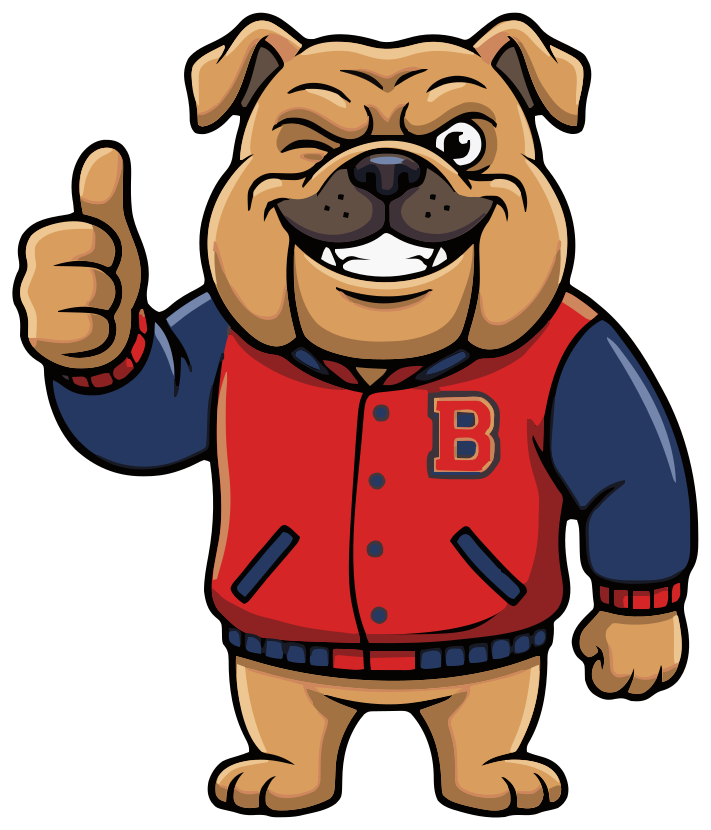
- Same character in every pose
- SVG · PNG · WebP
Free to try with watermarked previews · Plans from $19/month · Cancel anytime
Base
The short answer
Logo
Says who you are. A wordmark or symbol that looks the same on the sign, the invoice and the app.
Mascot
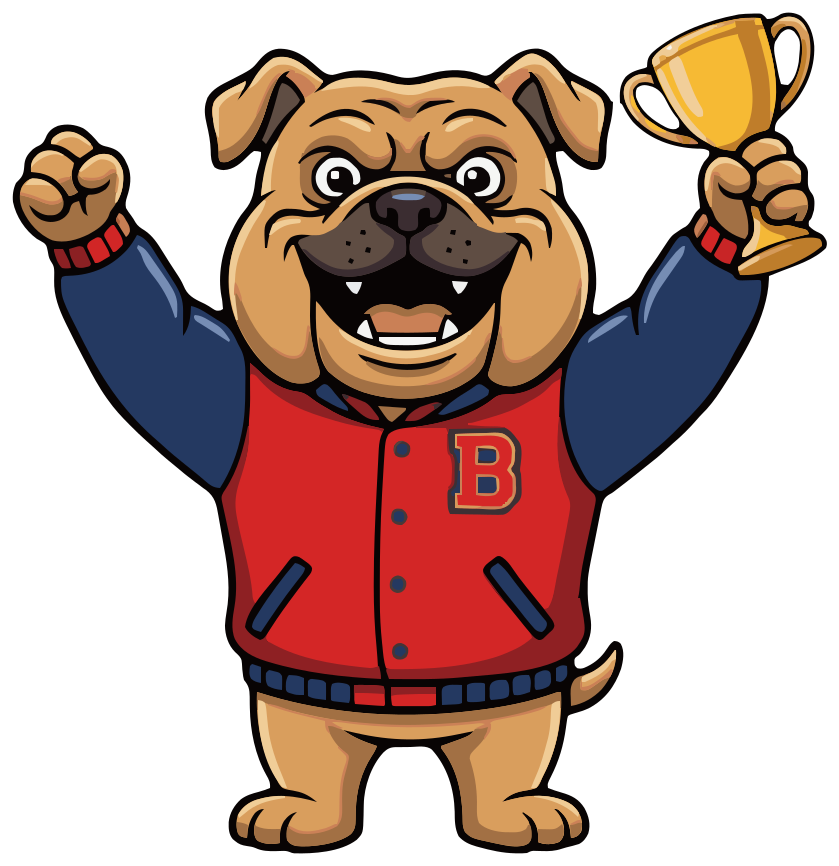
Gives the brand a face. A character with poses and moods, so it can wave, cheer or apologize where a logo would just sit there.
 Bruno's Barbershop
Mascot logo
The two set as one mark, for signs, merch and headers. Brands with a mascot usually keep all three, each for its own job.
Plenty of familiar brands run a name and a character side by side: Michelin has its wordmark and Bibendum, Pillsbury its logo and the Doughboy, and many universities keep the official logo for diplomas and the athletics mascot for game day. The name does the identifying; the character does the talking.
Michelin and Pillsbury are trademarks of their owners. SVG Mascot is not affiliated with or endorsed by either.
One brand, three ways
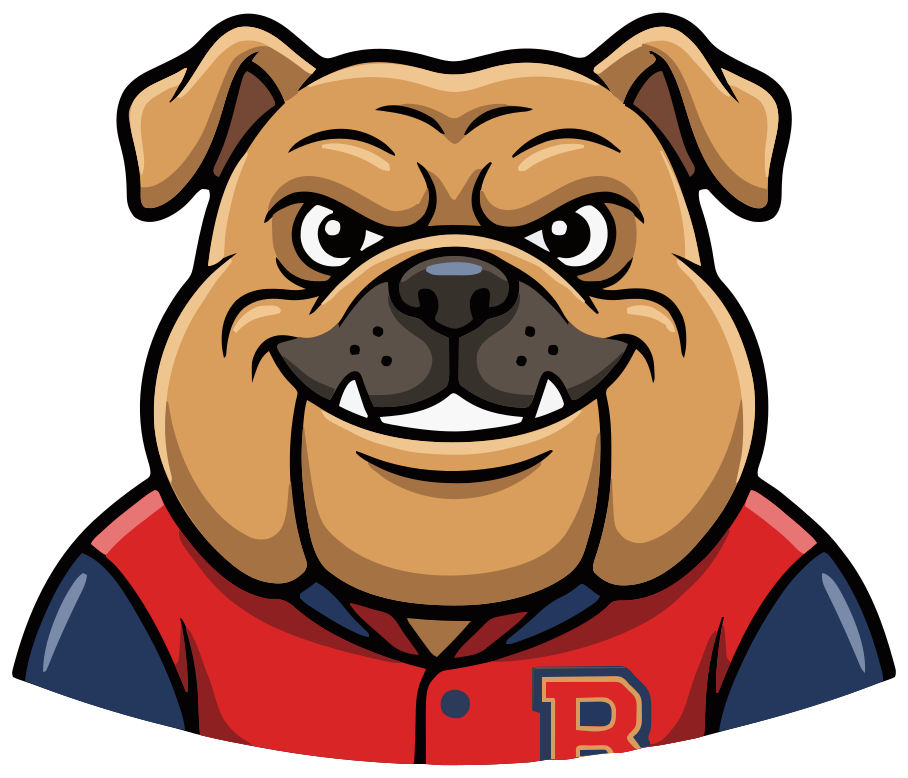
Here is Bruno's Barbershop as a plain wordmark, as a mascot logo and as a compact badge, then the mascot alone in the places a name doesn't fit: a browser tab, an apron patch, a profile picture and a sticker.
Bruno's Barbershop
Cuts & shaves
Bruno's Barbershop
Cuts & shaves
 Bruno's Barbershop ×
Apron patch
Bruno's Barbershop
@brunosbarber · Avatar
 Sticker
Bruno's Barbershop is a made-up shop, its name typeset here in Fredoka, and the tab, patch, avatar and sticker are illustrative mockups. SVG Mascot draws no text; Bruno is unedited output from one project, the same one as on the mascot logo page.
Logo vs mascot vs mascot logo: where each one goes
List the places your brand appears, then sort them by how much room there is and how formal they are. The choice mostly makes itself.
- Wordmark: invoices, contracts, email signatures, legal pages, the small print on packaging, a trademark filing. Anywhere the name has to be read and the tone is formal.
- Mascot logo: storefront signs, merch, jerseys, a website header, the top of a menu. Places with room for both, where a friendly tone fits.
- Mascot alone: favicons, app icons, profile pictures, stickers, social posts, onboarding and empty states. Too small for a name, or a moment where the brand is talking rather than signing.
They also age differently. A logo rarely changes, and a redesign is a big event. A mascot is meant to change: new poses and moods for new moments, always the same character.
Do you need a mascot? Five questions
A mascot is extra work: poses to make, places to use them, a character to keep consistent. It pays off when you can answer yes to a few of these.
- Do people see you often, outside the product? Social posts, newsletters, events and merch all give a character something to do.
- Is your tone informal? A team, a café, a barbershop, a game or a consumer app can joke and cheer; a law firm mostly can't.
- Do you have moments that need warmth? Onboarding, empty states, errors and waiting screens are where a pose beats a blank box.
- Are kids or families part of your audience? A friendly character can explain and reassure where a line of text feels cold.
- Is there a community? Fans of a team, a game or a club use a mascot as stickers, emotes and avatars.
If every answer is no, as for a B2B tool people meet in contracts and procurement portals a few times a year, a clear wordmark does the job and a mascot nobody sees is a cost with no return. You can always add one later: a mascot doesn't require a new logo.
Can a mascot replace a logo?
Usually not. Many places need one fixed mark with your name in it: invoices, contracts, an email signature, a trademark filing, the small print under a product photo. A drawing of a bulldog doesn't tell anyone what the shop is called. Keep a wordmark, set in your font, for anything that carries text.
What a mascot can take over is the small square. A head-and-shoulders pose, like Bruno's icon, makes a better favicon, app icon or profile picture than a long name squeezed into 32 pixels.
Keeping a logo and a mascot consistent
- 1 Lock one character and draw every pose from it. If each pose starts from scratch, the face drifts and people see several mascots instead of one.
- 2 Share the palette. Take the logo's colors from the mascot's main fills, like Bruno's navy and varsity red, or the other way round.
- 3 Fix the lockups once: wordmark, horizontal, badge and icon. Reuse those files instead of recomposing them for every job.
- 4 Give each pose a job: the icon for small squares, a friendly pose for welcome screens and signs, a celebration for wins.
- 5 Keep the name out of the art. SVG Mascot draws no text, so the name lives in your logo file, stays editable and matches your font.
FAQ
Mascot and logo questions
What is the difference between a mascot and a logo?
A logo is a fixed mark, usually your name or a symbol, that identifies the brand wherever it appears. A mascot is a character with a personality, drawn in different poses and moods so it can react, explain and celebrate. A mascot logo sets the character and the name together as one mark.
Do I need a mascot if I already have a logo?
No. A mascot adds to a logo; it doesn't replace it. It is worth adding when your brand talks to people often and informally, through social posts, an app, events or merch. Your existing logo stays as it is, and the mascot can sit beside it in a lockup or appear on its own.
Can I use my mascot as a favicon or app icon?
Yes, and it often works better than a wordmark at that size. Ask for a head-and-shoulders pose, like Bruno's icon, because a full-body character turns into a blob at 32 pixels. The SVG stays sharp at every size, from a 16-pixel browser tab to a poster.
Can SVG Mascot design my wordmark?
No. SVG Mascot draws characters only, with no text. Set your name in a design tool such as Canva, Figma, Illustrator or Inkscape, or work with a designer on a custom wordmark, then put the mascot beside it, as in the lockups above.
Can I use a mascot logo commercially and trademark it?
Mascots you download are yours to use in personal and commercial projects, including logos and merch, with no attribution required. AI output can resemble existing works, so check that your logo does not infringe anyone's trademark before you register it.
How much does a mascot like Bruno cost?
A draft costs 2 credits, choosing it as your base mascot 10 and each pose 2, so a base with four poses like Bruno's is 20 credits. The Creator plan includes 60 credits a month for $19, and you can cancel it anytime in Settings. Before you pay, the free plan gives you 3 drafts, 3 variations and 1 base, as watermarked previews.
See plans and credit costs